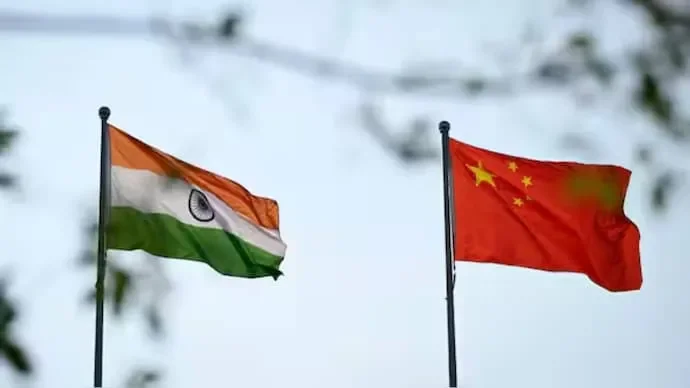
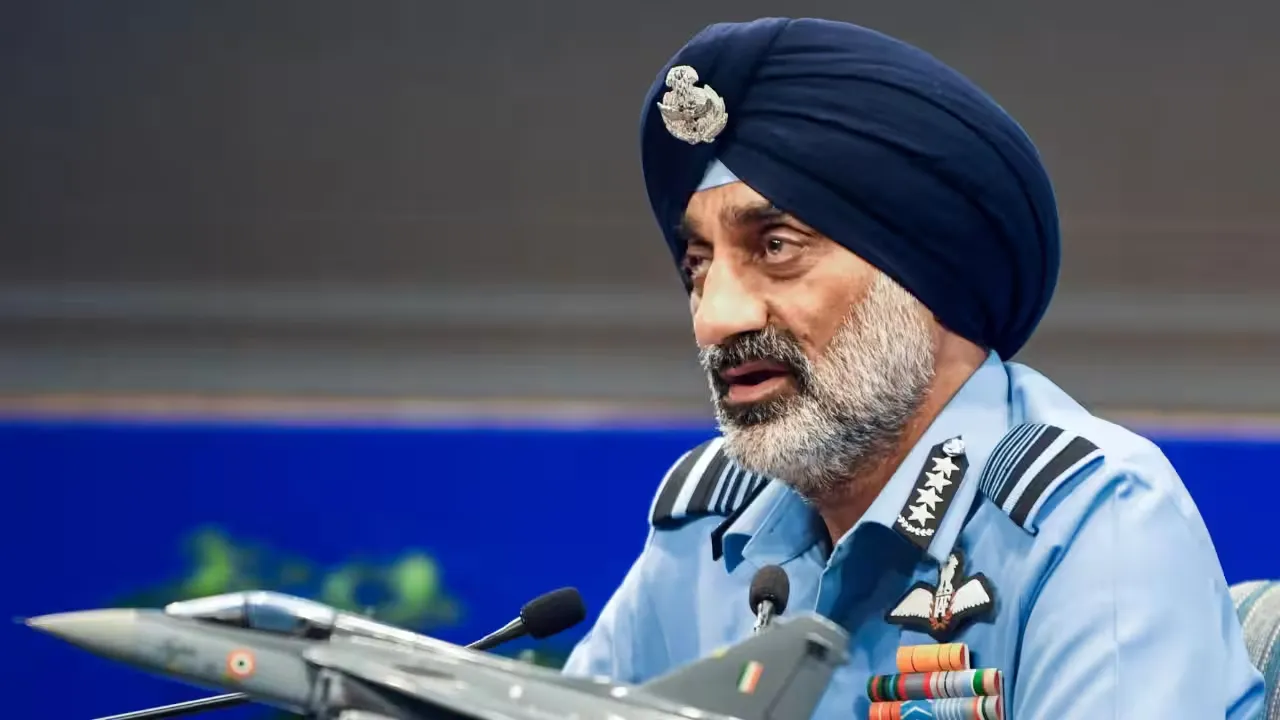
Speaking amid tensions with China along the Line of Actual Control, the Air Force chief has set out the IAF's position on theatreisation, a plan described as India's most ambitious military reform since independence.
Centralised control, decentralised execution
In an interview on Sunday, AP Singh said the guiding principle of theatreisation should be centralised control where necessary and decentralised execution where appropriate. He said the Air Force does not see the exercise as permanently carving up fighter resources on a geographical basis. Instead, he argued, India must build its own model suited to its specific security needs, rather than copying a foreign model.
Operation Sindoor and joint structures
Referring to Operation Sindoor, Singh said it was carried out under a joint framework put in place by the Chief of Defence Staff and the three service chiefs. Centralised allocation of critical resources and their rapid reallocation proved decisive, he said. The theatreisation plan, announced in 2019, aims to bring the three services together for better coordination and efficiency, and is seen as the most ambitious military reform since independence.
Recent conflicts prove air power's decisive role
The Air Force chief said recent conflicts around the world have once again made clear how decisively air power can shape military outcomes. That, he said, is why the question of how air power is organised matters so much. Citing conflicts in different regions, he said air power has repeatedly proved capable of decisively influencing the outcome of military campaigns.
IAF committed to jointness, not a geographic split
Singh stressed that the IAF is fully committed to jointness and integration with the other services. The point of contention, he made clear, is only the idea of a permanent geographic division of fighter assets. The Air Force's approach, he said, is to keep critical resources flexibly available so they can be shifted quickly where they are needed most.