Market regulator SEBI is developing a framework to prevent the misuse of trading terminals and exploring graded compliance requirements for stockbrokers based on their size, client exposure and reliance on technology, chairman Tuhin Kanta Pandey said on Saturday.
The proposed framework comes against the backdrop of the alleged misuse of proprietary trading terminals by some brokers. Reports said certain broking firms were allowing individual traders to trade through the brokers' own accounts in return for fees or profit-sharing arrangements, allegedly bypassing regulatory requirements on margins and disclosures.
Terminals to be mapped to MAC addresses and static IPs
One of the measures under consideration is mapping terminals to their Media Access Control (MAC) addresses and static IP addresses to identify where trades are executed and who is using the terminals.
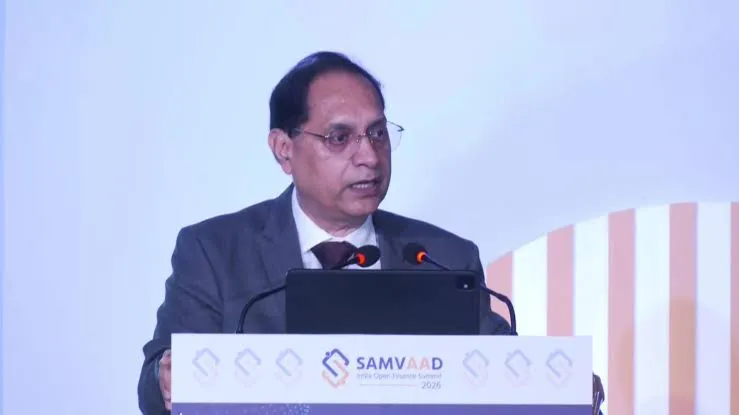
Pandey was addressing the 16th International Capital Market Convention of the Association of National Exchanges Members of India (ANMI) in Mumbai, where he outlined SEBI's roadmap for simplifying regulations, deepening markets, promoting responsible technology and widening investor access.
Graded compliance and simpler rules for brokers
On regulatory simplification, Pandey said SEBI was exploring graded compliance for stockbrokers, with requirements reflecting their scale, client exposure and reliance on technology. The regulator is also reworking rules for depository participants to simplify compliance and strengthen safeguards against fraud.
SEBI is extending the common reporting platform to depositories, allowing a single submission to serve both stock exchanges and depositories. It is also addressing additional costs arising from parallel clearing requirements for tender offers, buybacks and offers for sale (OFS), acting on suggestions from the Industry Standards Forum. Additionally, the regulator is extending the automated give-up and take-up facility to custodial clients, including portfolio management services (PMS) and alternative investment funds (AIFs), in the cash segment. The facility is intended to prevent clients' funds from remaining blocked while they wait for confirmation from custodians.
Short selling, corporate bonds and tokenisation under review
SEBI is reviewing the framework for short-selling and securities lending and borrowing (SLB) to improve market liquidity and price discovery, developing a market-making framework to improve secondary-market trading in corporate bonds, and working to reduce compliance costs for tender offers, buybacks and OFS.
Under the next phase of its Demat 2.0 initiative, tokenised corporate bonds will be traded in the secondary market. SEBI is exploring an artificial intelligence (AI) sandbox where new tools can be tested safely, giving innovators greater regulatory clarity while allowing the regulator to establish appropriate safeguards. The regulator also plans to bring its inspection portals into a single digital workflow to make supervision faster and more consistent.
Cybersecurity a business priority, easier access for global investors
Pandey cautioned that technology had increased the speed and reach of financial markets but had also created new risks, including cyberattacks. He urged brokers to treat cybersecurity as a business priority rather than merely an information technology expense. "Test your systems. Plan for failure," he said, warning that a single outage could affect thousands of investors within minutes and a security breach could undermine confidence in the market.
SEBI plans to make it easier for global investors, including non-resident Indians (NRIs), to invest in Indian markets through digital onboarding, simpler know-your-customer requirements and reduced paperwork, while retaining safeguards. Pandey said India's capital markets had grown to an equity market capitalisation of around Rs 470 lakh crore, outstanding corporate bonds of approximately Rs 61 lakh crore and mutual fund assets under management of around Rs 83 lakh crore. The market has more than 15 crore unique investors, while foreign portfolio investors hold assets worth about Rs 74 lakh crore. However, there remains considerable scope to expand participation, he said.